Permits and local rules for basement waterproofing
Waterproofing and drainage work is often regulated at the city or county level, especially when it involves excavation, a new discharge line, or changes to grading.

Rules differ by place. Some jobs need a building, plumbing or land-disturbance permit; others do not. Ask the contractor what they will pull, and confirm with the local building or permitting office if you are unsure.
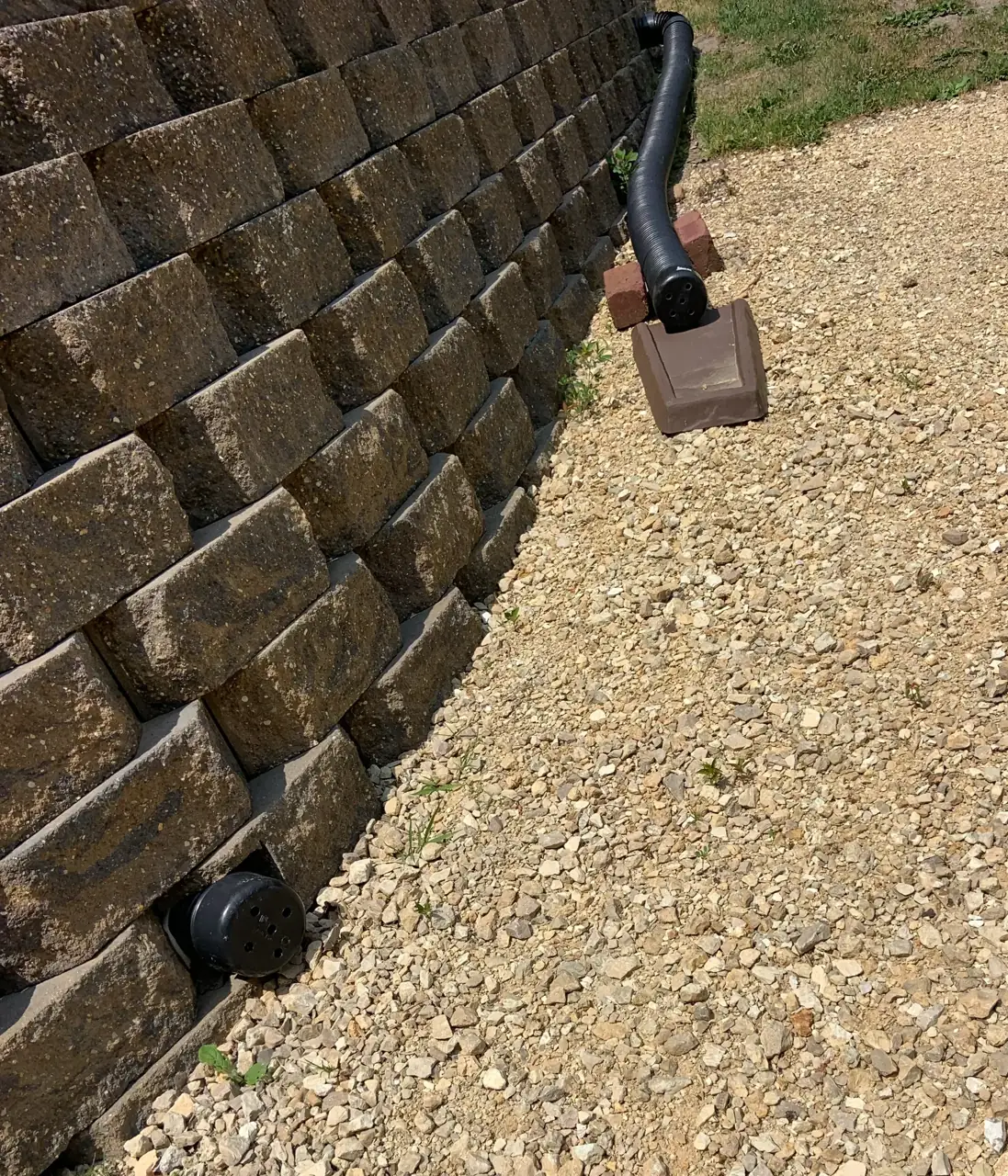
Discharge from a sump usually cannot be sent onto a neighbor's property or into a sanitary sewer unless the local code allows it. Get the planned outlet in writing.
Call 811 (or your state's utility-locate service) before anyone digs. A serious contractor will not skip locates.
For a local starting point, open your city page. Related guides: what affects cost and how to hire.
This directory lists contractors; it does not inspect homes or give engineering advice.
Are you a basement waterproofing contractor?
Get the featured spot in your city: your company at the top of the page with your phone, website and service area. $79/month or $790/year.
Get Featured Free basic listing